Skip to content
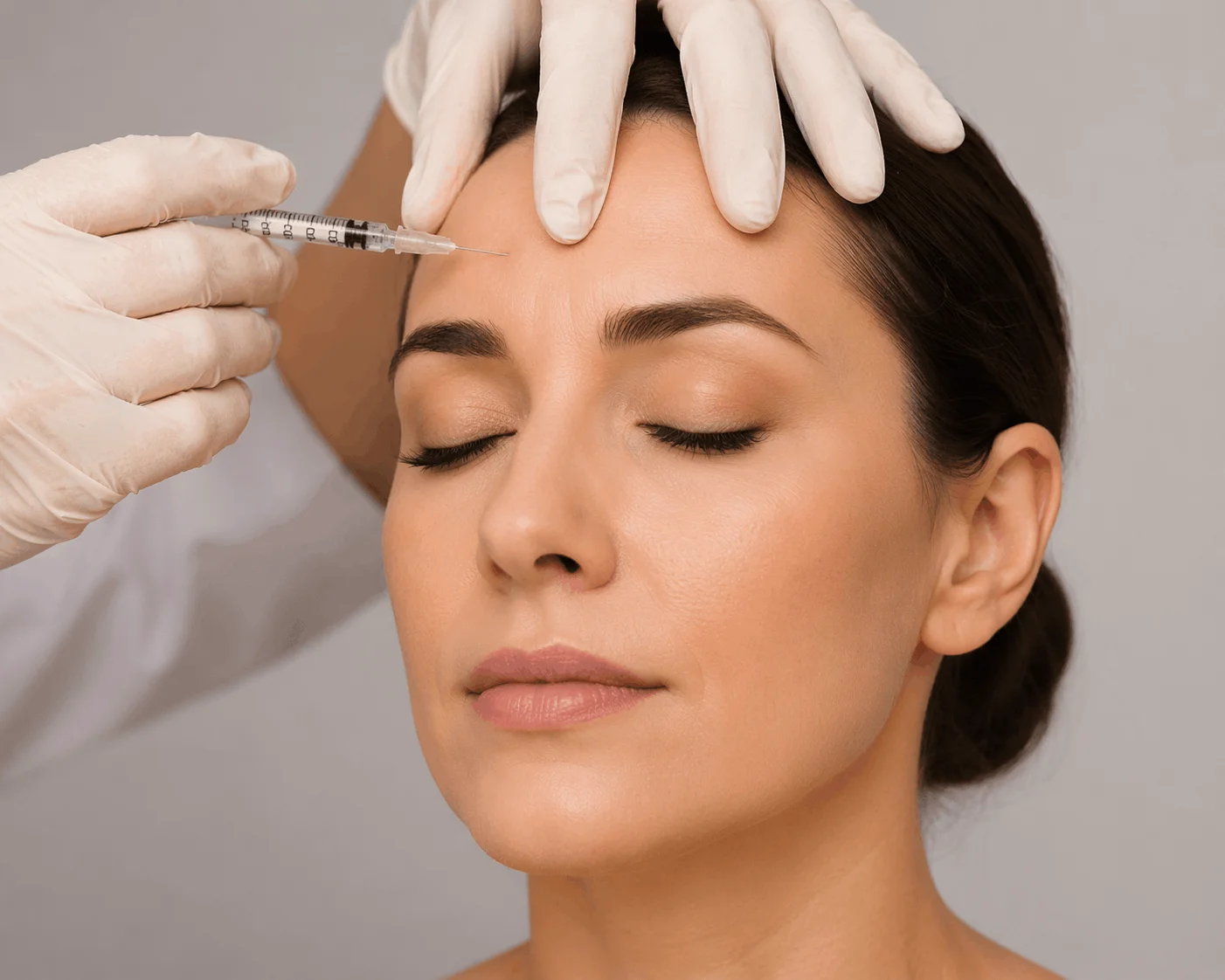
Table of Contents
The lines softened, your forehead felt smooth, and everything looked exactly the way you hoped, but around week eight or nine, you noticed movement creeping back in — sooner than it should have. If you’ve been wondering why Botox wears off fast at SeaMist MedSpa, you’re not alone. The good news is that it’s usually fixable.
Are you wondering why Botox wears off fast?
Botox typically lasts three to four months, but metabolism, muscle activity, dosing, and post-treatment habits can all shorten that window. If your results feel like they’re fading too soon, you’re not stuck with that pattern. What “Not Lasting” Actually Means. Before troubleshooting, it helps to know what’s actually normal. For most patients, Botox lasts between three and four months. Patients who have maintained a consistent treatment schedule over a longer period sometimes see results stretch to five or even six months, because the muscles have been trained to stay relaxed over time.
“Wearing off early” can mean a few different things, and the distinction matters. Some patients notice partial fading at week six, usually in one area, while others see no change. Others experience uneven fading, with one side relaxing before the other. And some feel like the results resolved almost completely before the ten-week mark.
It’s also worth separating two very different causes: undertreated areas, where not enough units were used and the muscle was never fully relaxed, versus a fast metabolism, where the treatment worked correctly but cleared through your system sooner than average. The fix for each of those looks different, which is why it’s worth paying attention to how and where your results faded.
The Metabolism Factor
If you’re highly active, this one is for you. High cardiovascular output and a faster overall metabolism genuinely do correlate with shorter Botox duration factors — this isn’t a convenient excuse; it’s a real physiological pattern that providers see consistently.
Patients who train intensely five or six days a week often notice movement returning at the eight- to ten-week mark rather than the twelve- to sixteen-week mark. A faster metabolism simply processes and clears neurotoxins more efficiently than a slower one.
The answer here isn’t to switch products or push for higher doses. It’s about frequency and timing. Coming back slightly sooner, before movement has fully returned, tends to produce better cumulative results than waiting until the effect has completely worn off and starting from scratch each time.
How Dosing and Placement Affect How Long Results Last
Underdosing is one of the more common and least discussed reasons Botox wears off early. When a treatment area receives fewer units than it needs to relax the muscle fully, the result isn’t just weaker — it also fades faster because a partially treated muscle resumes activity sooner.
Conservative dosing at a first appointment makes complete sense. Providers are still learning how your muscles respond, and starting thoughtfully is the right call. But if you’ve had several appointments with the same results and no one has adjusted anything, it may be worth asking about it.
Placement precision also plays a role. A neurotoxin that’s placed slightly off-target diffuses into surrounding tissue rather than concentrating where it’s needed, which shortens the effective window. This is less about the product and more about the skill and familiarity of the person placing it.
What You Do After Your Appointment Matters More Than Most Patients Realize
The 48 hours after your treatment matter more than most patients are told. A few behaviors that seem unrelated to your results can actually work against Botox longevity:
- Intense exercise in the first 24 to 48 hours increases blood flow to the face and may accelerate the neurotoxin’s dispersal and clearance.
- Heat exposure — saunas, hot yoga, extended time in direct sun — in the days immediately following treatment is consistently noted in clinical guidance as a factor that shortens duration.
- High-stress periods elevate cortisol, and there is some evidence that sustained cortisol elevation is associated with faster neurotoxin breakdown over time.
- Aggressive skincare actives applied too soon after treatment near injection sites can affect the tissue environment around the treatment area.
None of these are reasons to panic if you went for a run the morning after your last appointment. But if you’re consistently doing several of them, adjusting your routine around treatment timing is a reasonable and low-effort place to start.
The Role of Treatment Consistency Over Time
One of the most effective Botox maintenance tips has nothing to do with what happens in the appointment itself. It’s about how often you come back.
- Repeated neurotoxin treatments at consistent intervals gradually reduce muscle activity over time, which is why long-term patients often see results that last longer than at the start.
- Stretching appointments out to six or eight months tends to reset that progress, because full muscle movement returns, lines reform, and the next treatment essentially starts from scratch.
- Returning before full movement comes back, rather than waiting until the results have completely worn off, allows each appointment to build on the last rather than repeat it.
This isn’t about coming in more often for its own sake. It’s about timing your appointments in a way that works with your biology to maximize Botox longevity.
A Conversation Worth Having With Our Provider
Most patients who feel like their Botox isn’t lasting don’t actually say anything. They rebook, hope for better results, and the cycle continues unchanged.
If your results are fading faster than expected, tell your provider — specifically. Note when movement returned, where it came back first, and whether anything shifted in your routine: a new workout program, a stressful few months, a change in your skincare.
A provider who takes that information seriously will use it. They may adjust units, revisit placement, or suggest a slightly shorter interval between appointments.
At SeaMist MedSpa, our medspa professional team offers Botox treatments in Newport, RI, alongside a range of neurotoxin options tailored to how your face actually moves. If duration has been a frustration for you, that’s a conversation we’re glad to have. You can learn more about our neurotoxin services at seamistmedspa.com/neurotoxins.
Glow Up Your Skin
At SeaMist MedSpa, we take the time to understand how your results are actually turning out and adjust accordingly. If your Botox maintenance hasn’t been delivering the longevity you want, we can help you figure out why. Book your Botox consultation today!